
Black Philanthropy and Sowing into Gullah/Geechee Land and Legacy
Every August, Black Philanthropy Month calls people of African descent and our allies throughout the world to celebrate the power of Black giving. Yet, Black philanthropy did not begin with the naming of a month, the establishment of a foundation or the creation of an online fundraising platform. Long before the word “philanthropy” was attached to wealth and institutions, African people understood the sacred practice of sharing resources for the survival, advancement and upliftment of the entire community.
Our ancestors gave through mutual-aid societies, benevolent associations, churches, family networks, burial societies and farm equipment and land-buying cooperatives. They gave food from their fields, fish from the creek, labor, shelter, transportation, tuition money and land. They collectively pooled small amounts until those contributions became homes, businesses, schools, churches, and communities. They understood that giving was not simply charity. It was self-determination. It was how we survived. It was how we built. It was how we carried one another forward and upward.
That ancestral practice gained a global platform in 2011 when Dr. Jacqueline Bouvier Copeland founded Black Philanthropy Month. Its roots reach back to 2001 and the Pan-African Women’s Philanthropy Network, now known as Reunity. The observance was first incubated by the Women Invested to Save Earth Fund and launched globally during the United Nations’ International Year for People of African Descent. Today, Black Philanthropy Month is a worldwide campaign elevating giving by people of African descent and calling for greater funding equity for Black-led organizations. Its 2026 theme is“One Voice One Movement” which reminds us that our individual gifts become collective power when we direct them toward a common purpose.
Here in the Gullah/Geechee Nation from Jacksonville, North Carolina to Jacksonville, Florida, our ancestors transformed the Sea Islands and coastal lands into places of cultural continuity, spiritual grounding, economic independence and self-sufficiency. After centuries of enslavement, they purchased land, built praise houses and schools, established farms and fisheries, and created family compounds in which Gullah/Geechee traditions could thrive.
Today, the same land that sustained our ancestors is under tremendous pressure from escalating taxes, heirs’ property disputes and partition sales, destructionment, climate change impacts, cultural exploitation and displacement. When Gullah/Geechee land is lost, we lose more than acreage. We lose access to sacred burial grounds, fishing and farming traditions, family compounds, community gathering spaces, native foodways, linguistic landscapes and the living environment in which our culture has endured. This is why Black Philanthropy Month must move us beyond celebration and into action.

I call on everyone who says that Gullah/Geechee culture matters to make that belief visible through an investment in the people who authentically live the culture and lead the work. Donate to the Gullah/Geechee Land & Legacy Fund on GoFundMe: https://www.gofundme.com/f/gullah-geechee-land-and-legacy-fund or send a contribution through CashApp to $GullahGeecheeNation. The Gullah/Geechee Land & Legacy Fund supports land-retention and human-rights efforts, free community education about land retention and reclamation, and the sustainability and adaptation work needed to protect our Sea Island communities.
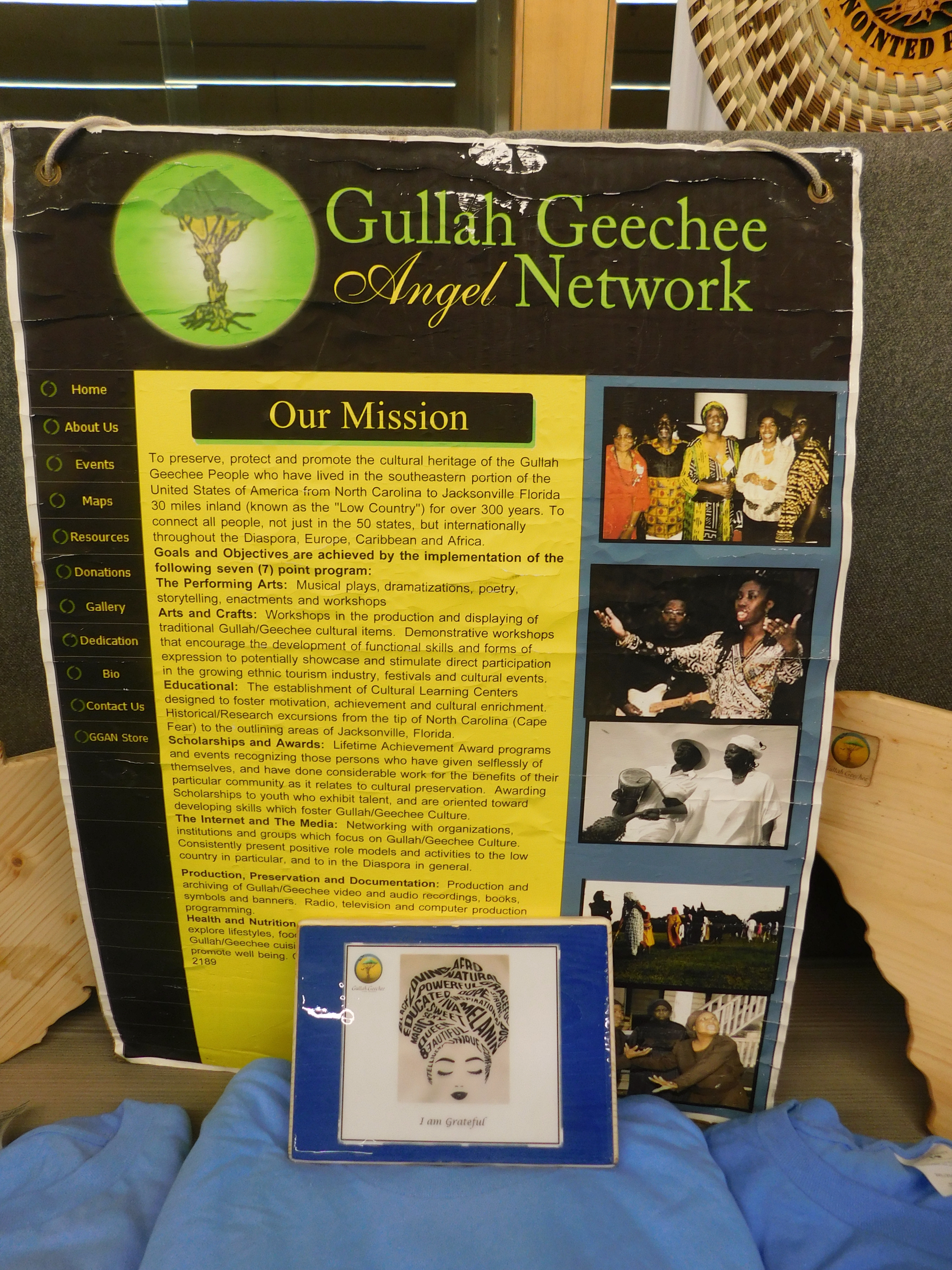
Support the Gullah/Geechee Angel Network https://www.gullahgeecheeangelnetwork.com/home.htm with a donation to $GeecheeAngel on CashApp. This official 501(c)3 for the Gullah/Geechee Nation which preserves, protects and promotes Gullah/Geechee cultural heritage through education, the arts, documentation, scholarships, media, cultural learning and health awareness. Giving to this institution helps ensure that the next generation has access to the knowledge, tools and cultural grounding required to continue our legacy.
Extend your support southward into northeastern Florida by donating to the Gullah/Geechee Cultural Community Trust https://www.gullahcommunitytrust.org/. Its mission sits at the vital intersection of land and culture: protecting Gullah/Geechee-owned land, investing in cultural resources, reconnecting descendants with endangered sacred burial grounds, and promoting the history and heritage of communities that destructionment too often attempts to erase.

Invest in young people and cultural education through via the Gullah/Geechee Family Foundation https://www.gullahgeecheefamilyfoundation.com/. Founded in 2020, the foundation supports Gullah art and education classes, youth reading outreach and motivational programming. You can also strengthen its work by visiting its online shop and purchasing Gullah art, books, calendars and other cultural products. Every purchase keeps culture in circulation while helping community-rooted work continue.
Black philanthropy is also expressed through where we travel, where we buy, whose stories we pay to hear and which institutions we help keep open. Cultural heritage tourism should not extract from Gullah/Geechee communities. It should invest resources to the people and places that preserve and authentically present ourstory.
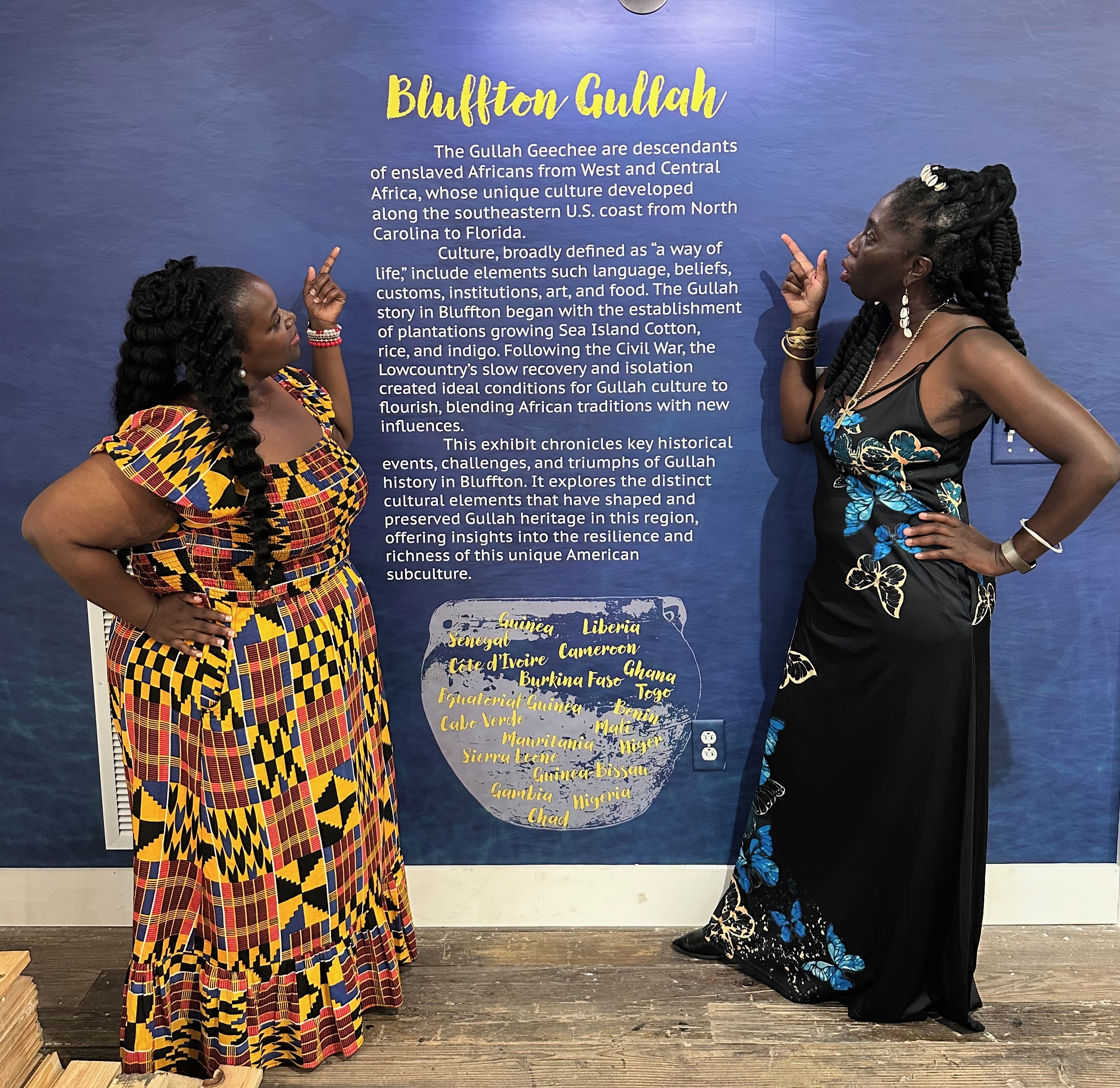
Make plans to visit and support the Bluffton Gullah Cultural Heritage Center https://blufftongullah.org/. The BGCHC cultivates community experiences through education, preservation and celebration of Bluffton’s Gullah/Geechee history and culture. Support its exhibits and programs, become a member, contribute to its fundraising campaigns, and support its gift shop and cultural offerings. Admission, membership, donations and purchases all help sustain the exhibits, programming and community engagement that make local history visible.
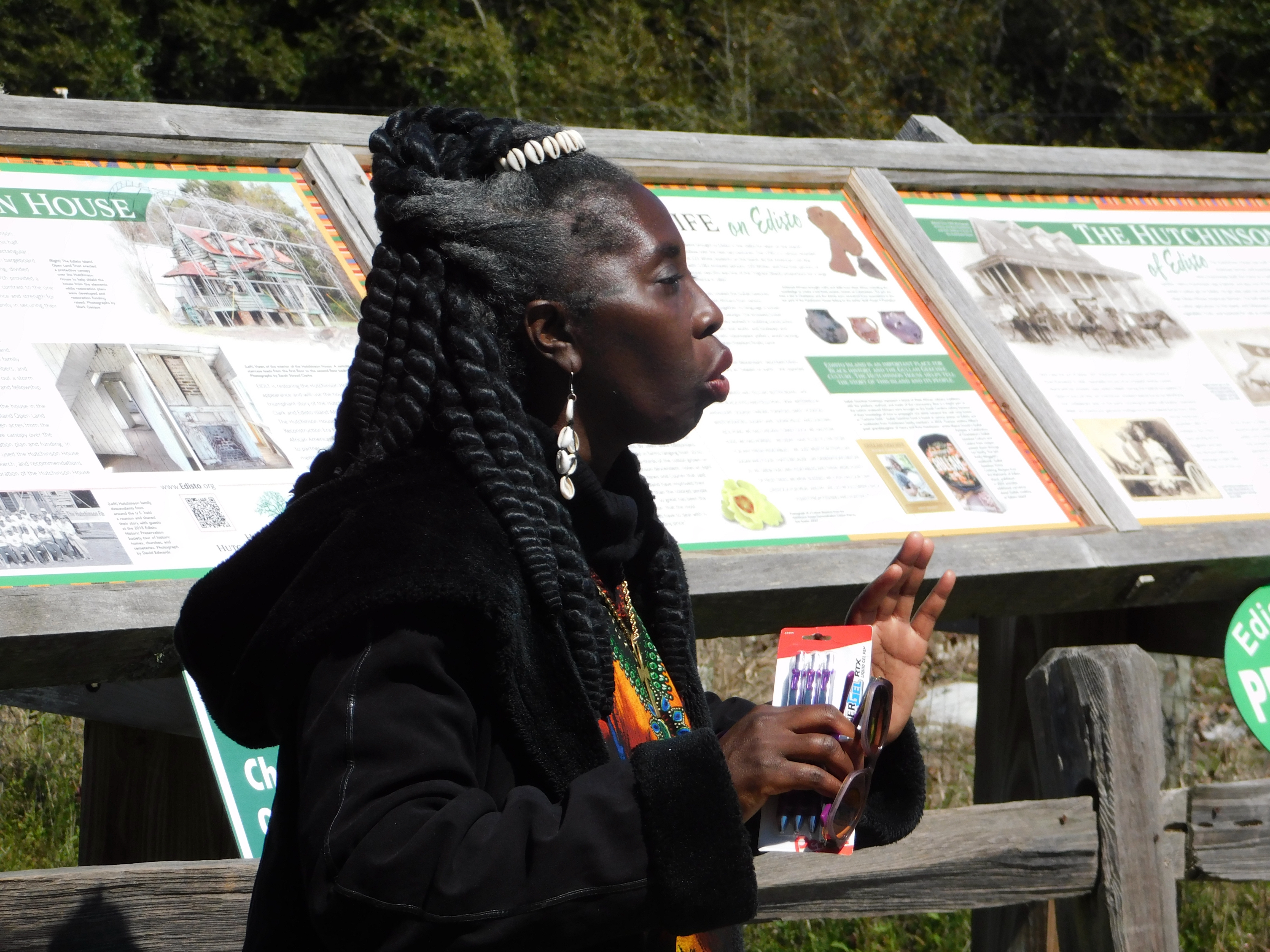
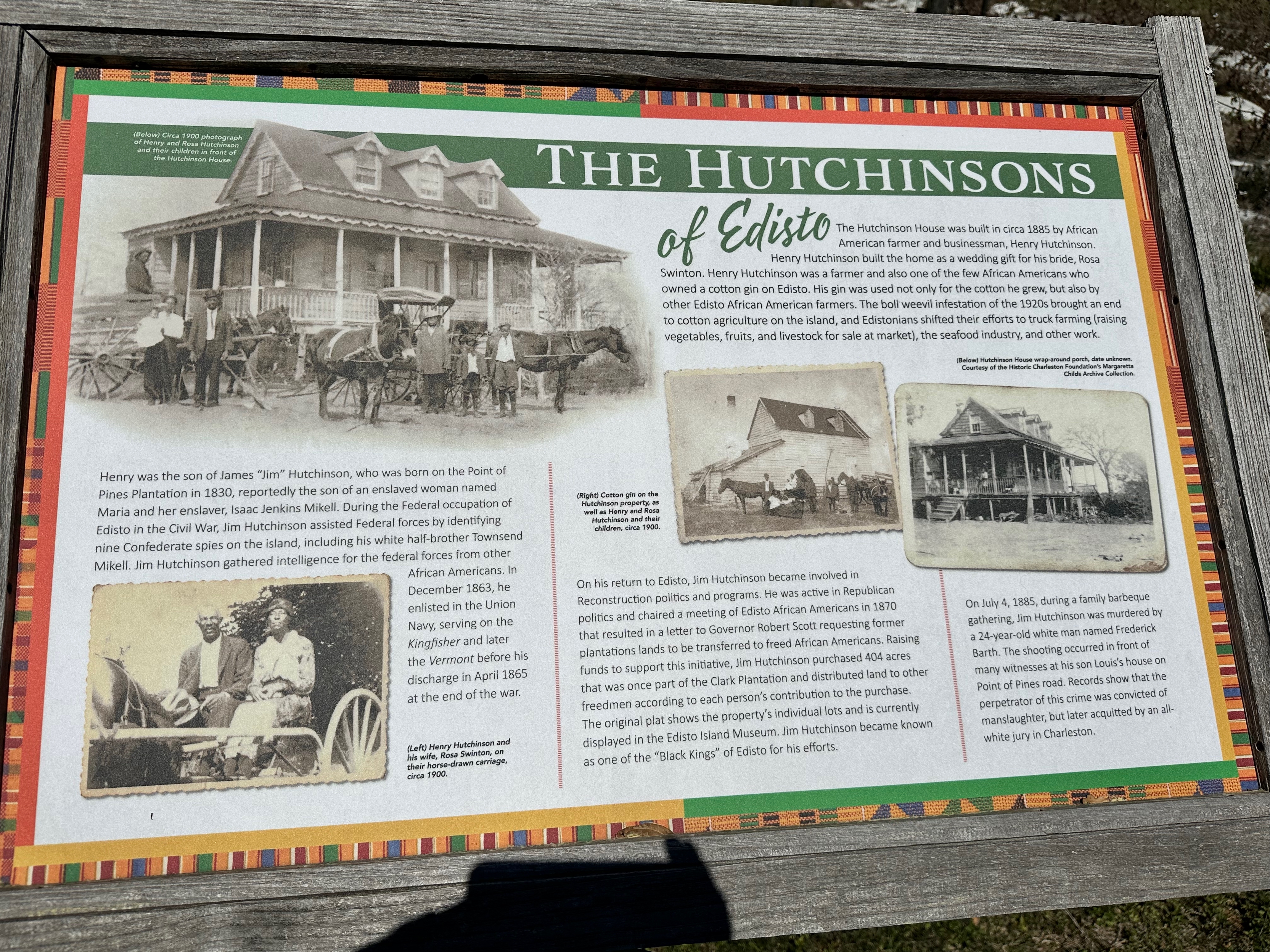
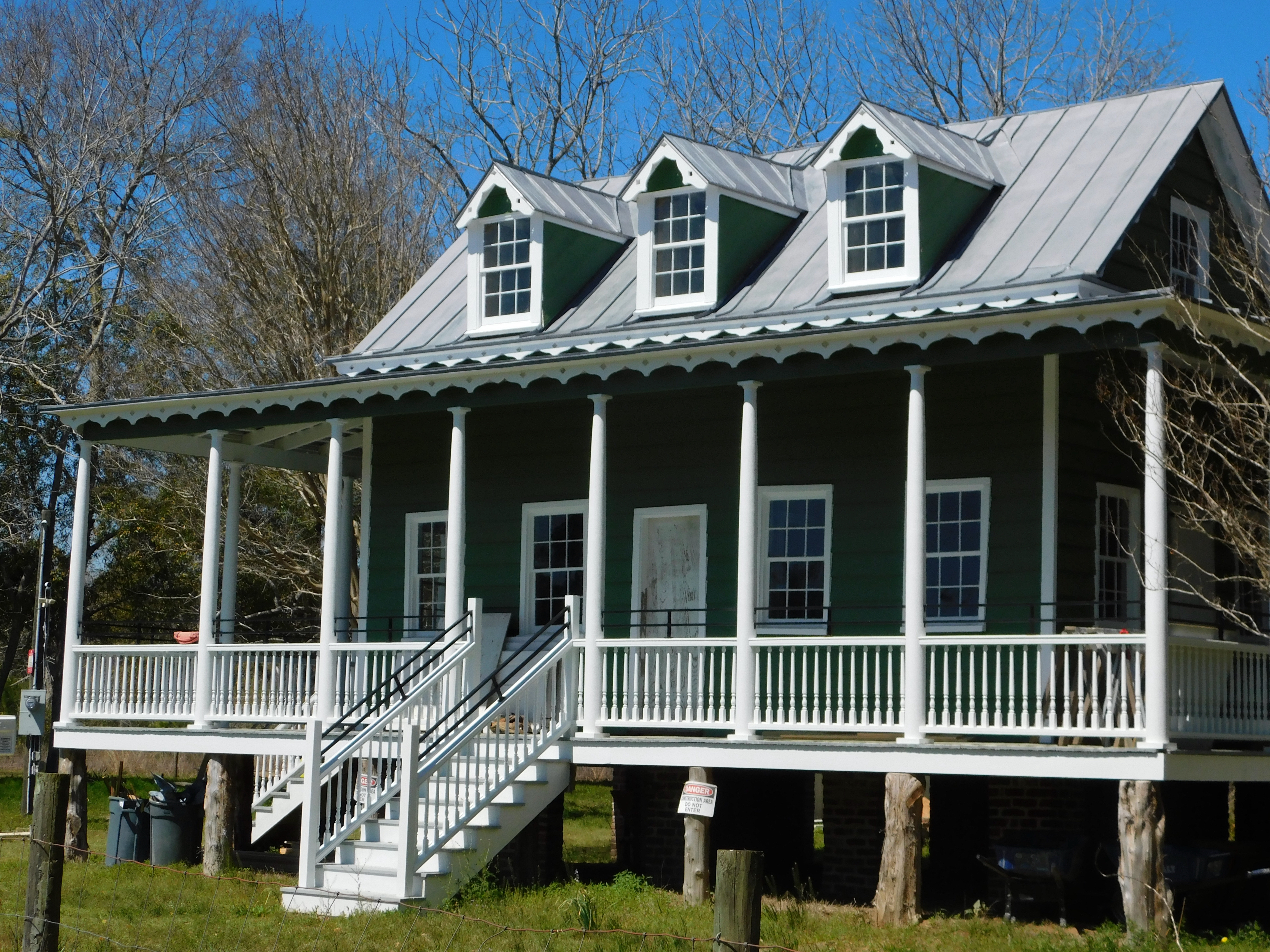
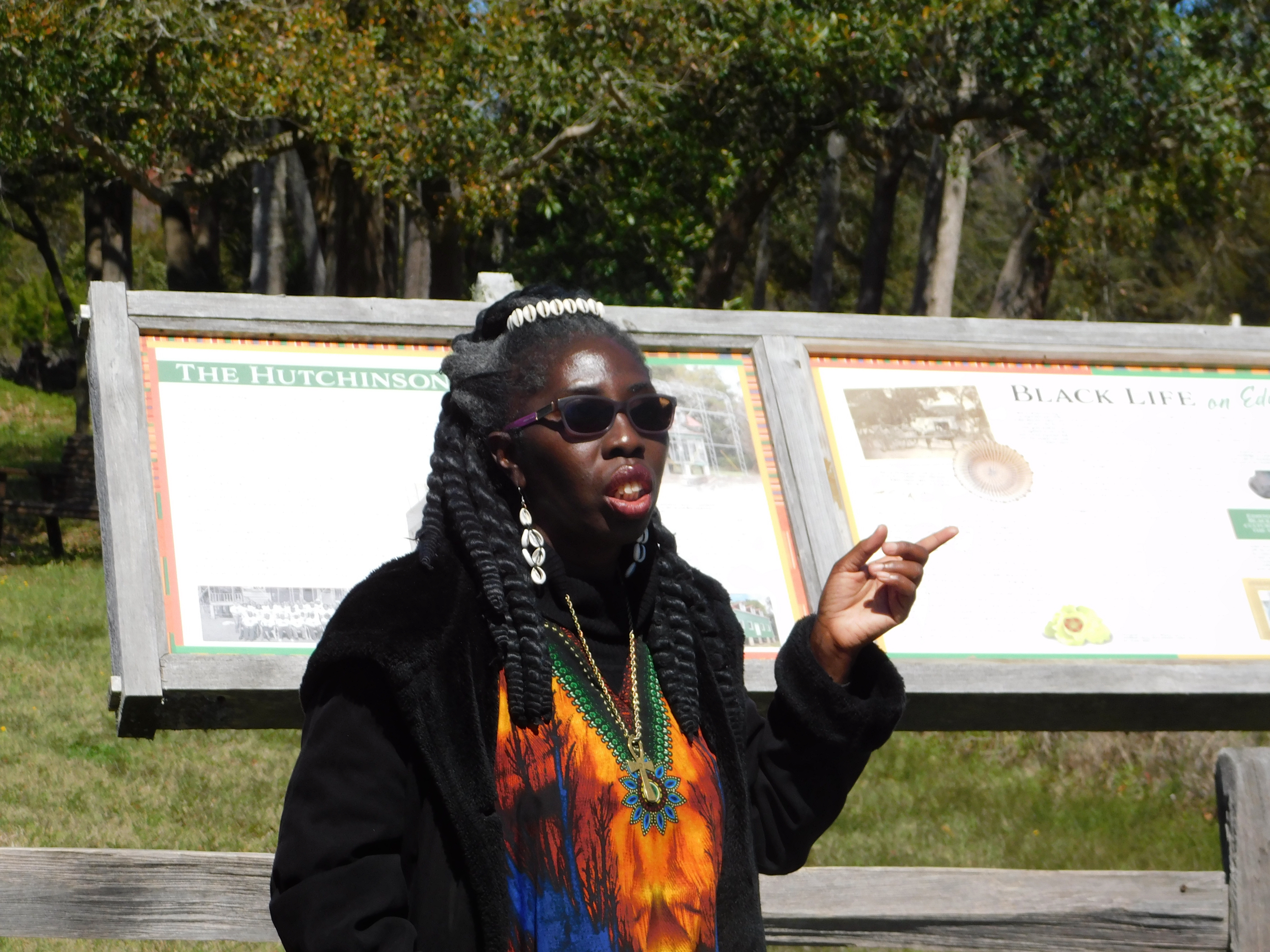
Journey to Edisto Island and connect with the story of the Hutchinson Family at Hutchinson House (https://edisto.org/history/). This house which is about to open to the public after years of fundraising and restoration work is one of the oldest surviving houses built by a Gullah/Geechee family on Edisto Island during the Reconstruction era. James “Jim” Hutchinson was born enslaved, served in the Union Navy, became a political leader and organized cooperative land purchases that helped freed people secure land. His son Henry built the house around 1885. The Edisto Island Open Land Trust has completed the restoration and is raising funds for the infrastructure needed to fully welcome the public. Visit the site, follow its opening and program updates, contribute directly to the Hutchinson House campaign: https://hutchinson.givesmart.com/. In doing so, you help a powerful story of Black land ownership, cooperative economics and Reconstruction-era achievement come back to life.

In Charleston, visit the International African American Museum (https://iaamuseum.org/), located at the historically sacred site of Gadsden’s Wharf. Walk through its exhibitions, honor the ancestors in the African Ancestors Memorial Garden, engage the Center for Family History and return with your family, church, school or organization. Become a member, donate to the museum: https://iaamuseum.org/support/. A museum cannot preserve and interpret our journey without sustained community support. Every ticket, membership, donation and gift shop purchase helps keep African and African American history told on the peninsula that once was the largest enslavement port and slave auction center in North America. IAAM stands to show that oourstory did not begin with nor end with enslavement. This is a place of inspiration and survival.

During Black Philanthropy Month, do not underestimate a gift because it is small. Our ancestors built institutions by combining what they had. Ten dollars joined with ten dollars becomes a workshop. A recurring monthly gift becomes a land retention fund or an endowment. A museum membership helps maintain a cultural institution that can employ Gullah/Geechee citizens. A book purchased from a site such as www.GullahGeechee.biz helps further literacy and accurate historical knowledge about Gullah/Geechee culture. A social-media share may connect an organization with its next donor, volunteer or partner. Those with greater resources should give generously, but everyone can participate and contribute something.
Corporations, foundations, congregations, giving circles, family reunions, sororities, fraternities, professional associations and community organizations should also make direct investments in Gullah/Geechee-led institutions. Do not merely sponsor programs that speak about us while leaving the organizations rooted in our communities underfunded. Funding equity means trusting Black leadership, supporting long-term operating capacity and putting resources into the hands of the people who live the culture every day.
Black Philanthropy Month is an opportunity to turn remembrance into responsibility. Let us honor those ancestors who placed coins into a common jar, shared seeds for the next planting season, built schools with their own hands and purchased land so their descendants would have somewhere to stand. Lets protect what they placed in our care and improve it for future generations.
This is how we transform one voice into one movement through Black philanthropy.. This is how we ensure that Gullah/Geechee land and legacy remain in Gullah/Geechee hands.
Tenki Tenki ta all hunnuh chillun fa sowin into de continuation of de Gullah/Geechee Nation. May the seeds we plant together grow into a strong inheritance for generations yet unborn.
• Queen Quet, Chieftess of the Gullah/Geechee Nation (www.QueenQuet.com)
- Posted in: Chieftess of the Gullah/Geechee Nation ♦ Gullah/Geechee Businesses and Industries ♦ Gullah/Geechee Land Ownership & Rights ♦ Gullah/Geechee Ourstory ♦ Gullah/Geechee Riddim Radio Education Links ♦ Gullah/Geechee TV Educational Links ♦ Human Rights ♦ Queen Quet ♦ Uncategorized
- Tagged: Black Philanthropy Month, Bluffton Gullah Heritage Center, cultural heritage, Geechee, Gullah, Gullah/Geechee Angel Network, Gullah/Geechee Family Foundation, Gullah/Geechee Nation, IAAM, International African American Museum, Queen Quet, Sea Islands
Thank you Black philanthropy
Thsk you for keeping the culture alive and thriving forward for all of us
Hunnuh welcum!