
Queen Quet, Chieftess of the Gullah/Geechee Nation, Appointed to Governor McMaster’s New Conservation Commission
Historic Appointment Brings Decades of Gullah/Geechee Environmental Stewardship, Cultural Preservation, and Coastal Resilience Leadership to South Carolina’s Statewide Conservation Efforts

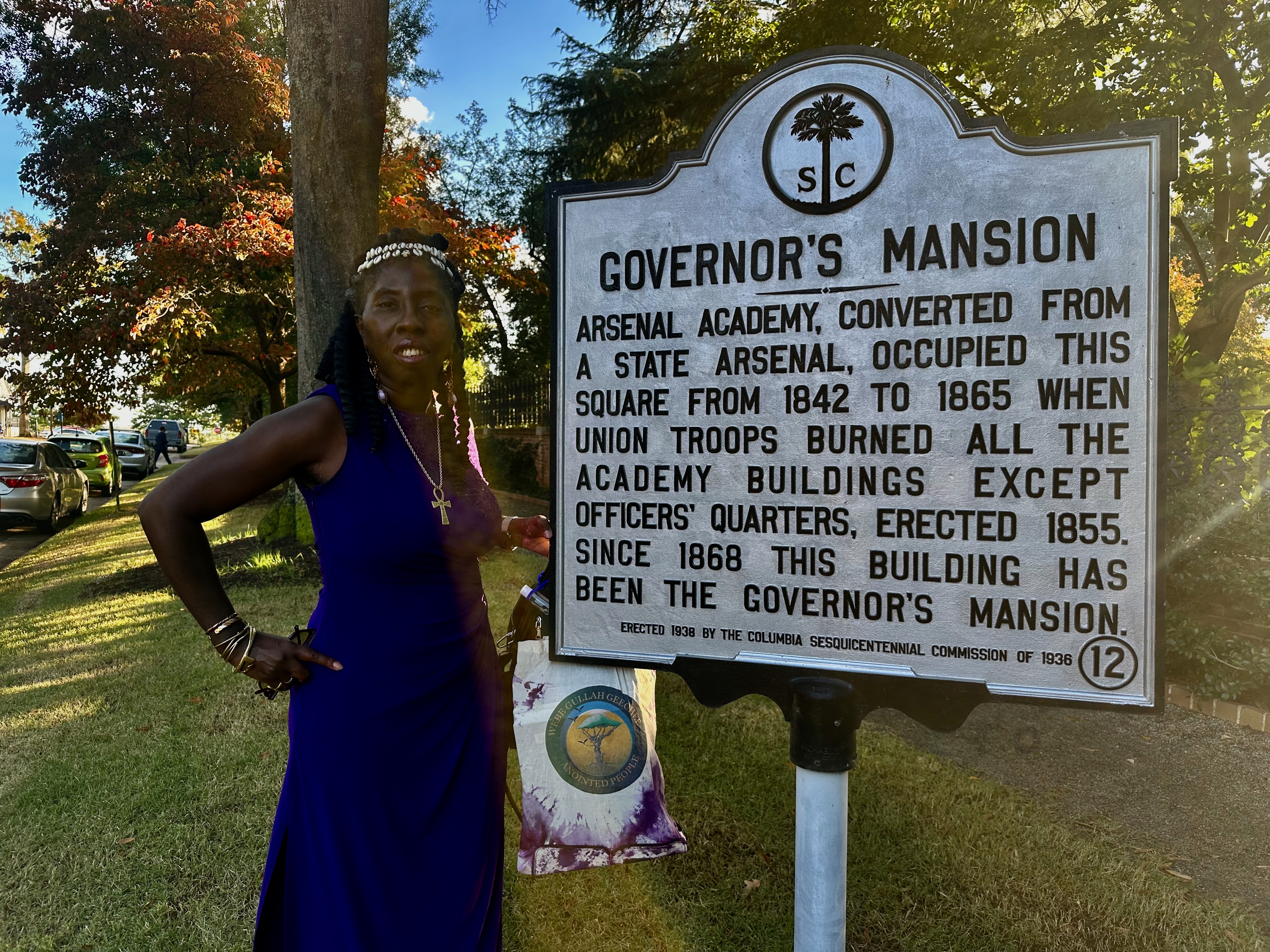
Queen Quet, Chieftess and Head-of-State of the Gullah/Geechee Nation (www.QueenQuet.com) and Founder of the Gullah/Geechee Sea Island Coalition, has been appointed by South Carolina Governor Henry D. McMaster to the newly established Governor’s Conservation Commission. The appointment recognizes the importance of bringing diverse conservation perspectives, including those rooted in generations of ancestral land stewardship and cultural preservation, into discussions concerning the future of South Carolina’s natural and cultural resources.
Governor McMaster established the Governor’s Conservation Commission on October 22, 2026, through Executive Order 2026-24 and announced 25 appointments to the Commission on October 27, 2026.
The Commission was created to strengthen collaboration among government agencies, private landowners, conservation organizations, academic institutions, and communities in efforts to preserve South Carolina’s natural resources, wildlife habitats, historic sites, and cultural heritage.
The Purpose of the Governor’s Conservation Commission
The Governor’s Conservation Commission will serve as an advisory body to Governor McMaster and the Executive Branch, providing guidance on conservation and preservation strategies while encouraging cooperation among state and local governments and other stakeholders.
Its responsibilities include:
- Advising the Governor and Executive Branch on conservation and preservation strategies.
- Promoting coordination among state and local agencies involved in conservation.
- Assisting local governments in establishing and advancing conservation goals.
- Increasing public awareness of South Carolina’s history, cultural heritage, and conservation priorities.
- Identifying potential funding sources to support conservation and preservation.
- Encouraging public-private partnerships and collaboration among academic institutions, nonprofit organizations, businesses, and government agencies.
The Commission’s creation comes as South Carolina continues to address the challenges of population growth, development, natural resource protection, and preservation of its historic and culturally significant landscapes.
The Governor’s Office reports that approximately 3.4 million acres of land have already been protected in South Carolina. The South Carolina Protected Lands and Conservation Coordination Act of 2026 establishes a long-range goal of protecting seven million acres by 2050, while Governor McMaster has called for the preservation of ten million acres for current and future generations.
Queen Quet Brings a Legacy of Environmental and Cultural Leadership
For three decades, Queen Quet has been the leading advocate for the protection of the Gullah/Geechee Nation, which extends along the southeastern coast from North Carolina to Florida. Through her leadership of the Gullah/Geechee Sea Island Coalition, founded in 1996, she has consistently demonstrated that environmental conservation and cultural continuation are inseparable.
Her work has focused on protecting ancestral lands, waterways, salt marshes, maritime forests, historic communities, sacred burial grounds, and the traditional livelihoods that connect Gullah/Geechee people to the coastal environment.
Queen Quet has championed environmental justice, climate resilience, coastal restoration, sustainability, and community-based conservation through local, state, national, and international initiatives.
Among her continuing efforts are the Gullah/Geechee SEA & ME educational initiative, Greening Gullah/Geechee Communities, advocacy for living shorelines and salt marsh protection, and the preservation of historic Gullah/Geechee burial grounds and communities threatened by development/destructionment, environmental degradation, and changing coastal conditions.
Her environmental leadership reflects the understanding that the survival of Gullah/Geechee culture is directly connected to the survival of the Sea Islands’ natural ecosystems.
As Chieftess of the Gullah/Geechee Nation, Queen Quet has carried these concerns to audiences throughout the United States and internationally, including the United Nations in Geneva, Switzerland, where she became the first Gullah/Geechee person to speak on behalf of her people before that international body.
In 2021, Governor McMaster presented Queen Quet with the Order of the Palmetto, South Carolina’s highest civilian honor, recognizing her longstanding contributions to the state and the continuation of Gullah/Geechee culture.
Protecting the Land, Protecting the Culture, Preserving the Future
Queen Quet‘s appointment presents an opportunity to bring the experiences of coastal communities, traditional ecological knowledge, and the longstanding environmental stewardship of Gullah/Geechee people into statewide conservation discussions.
For the Gullah/Geechee Nation, conservation extends beyond preserving scenic landscapes. It encompasses the protection of ancestral land ownership, the continuity of historic communities, access to traditional waterways, the preservation of sacred sites, the health of coastal ecosystems, and the ability of future generations to sustain their cultural traditions in their homeland.
The Sea Islands and Lowcountry coastal communities face increasing environmental and development / destructionment pressures, including flooding, rising seas, saltwater intrusion, wetland loss, and the conversion of historically significant lands to new uses.
Queen Quet‘s participation on the Commission will provide an opportunity to contribute her extensive experience in environmental advocacy, community engagement, cultural heritage preservation, and coastal resilience to discussions about South Carolina’s conservation future.
The appointment also underscores the importance of recognizing the generations of Gullah/Geechee people whose agricultural, maritime, and cultural practices have contributed to the stewardship of South Carolina’s coastal landscapes.
A Commitment to Generations Yet Unborn
As the Governor’s Conservation Commission begins its work, Queen Quet brings a perspective grounded in the understanding that protecting natural resources and safeguarding the cultural heritage of communities connected to those resources are complementary responsibilities.
Her appointment represents another chapter in her longstanding commitment to ensuring that South Carolina’s coastal lands, waters, history, and living cultural traditions remain protected for generations yet unborn.
About Queen Quet and the Gullah/Geechee Sea Island Coalition
Queen Quet Marquetta L. Goodwine, is the Chieftess and Head-of-State of the Gullah/Geechee Nation. She is an internationally recognized cultural heritage preservationist, environmental advocate and mother of the environmental justice movement, author, historian, and founder of the Gullah/Geechee Sea Island Coalition.
Founded in 1996, the Gullah/Geechee Sea Island Coalition was the first organization in world history to contain “Gullah/Geechee” in its name. The Gullah/Geechee Sea Island Coalition works to preserve, protect, and promote Gullah/Geechee history, culture, language, lands, and communities throughout the southeastern United States.
For additional information about Queen Quet, the Gullah/Geechee Nation, and the Gullah/Geechee Sea Island Coalition, visit:
- Posted in: Chieftess of the Gullah/Geechee Nation ♦ Climate Advocacy and Climate Change ♦ Environmental Justice ♦ Gullah/Geechee Fishing Association ♦ Gullah/Geechee Land Ownership & Rights ♦ Gullah/Geechee Ourstory ♦ Gullah/Geechee Riddim Radio Education Links ♦ Gullah/Geechee Sacred Areas ♦ Gullah/Geechee TV Educational Links ♦ Queen Quet ♦ Uncategorized
- Tagged: Black history, Columbia, conservation, cultural heritage, environment, Geechee, Governor Henry D McMaster, Gullah, Gullah/Geechee Nation, Queen Quet, Sea Islands, South Carolina, South Carolina Conservation Commission